Agile HR Newsletter December 2024
People Manager Summary for 2024
Managing Holiday Requests in 2025
Unlocking Insights with Employee Surveys
By Jenny Goulding, Hils Jackett, David Rogers & Chelsey Phillips
Table Of Contents
People Manager Summary for SME Businesses in 2024
2024’s been a big year! AI kept growing fast, climate action picked up speed (though extreme weather reminded us it’s urgent), and space exploration hit new milestones. Globally, tensions simmered in some areas, but there were efforts toward peace. Economies faced challenges like inflation, but tech and green energy drove progress. Plenty of excitement in sports, entertainment and culture too!
In 2024, people managers in SMEs focused on building agile and resilient teams to navigate economic and workforce challenges. Key highlights included:
- Workforce Flexibility: Hybrid and remote work models became essential for attracting and retaining talent, especially among younger employees.
- Upskilling and Reskilling: Managers prioritised continuous learning to address skill gaps, driven by technological advancements like AI and automation.
- Employee Wellbeing: SMEs invested in mental health programmes and work-life balance initiatives to boost morale and productivity.
- Inclusive Leadership: Diversity and inclusion efforts became a core focus, with managers driving equitable hiring and fostering an inclusive workplace culture.
- Retention Strategies: Managers used personalised career growth opportunities and enhanced benefits to mitigate high turnover rates.
By adapting to evolving employee expectations and embracing people-centric leadership, SME managers played a pivotal role in sustaining business growth and fostering innovation.
Keep people at the middle of your strategy is an absolute ‘no brainer’ for successful business. Ask me how we can help? [email protected].
Managing Holiday Requests in 2025
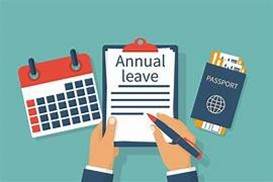
As 2025 approaches, managing holiday requests efficiently has become an important aspect of maintaining workplace harmony. With flexible working and remote working becoming the new ‘norm’, employers must adopt modern strategies to handle their annual leave planning effectively.
What can you do to improve managing holiday requests in 2025?
1. Embrace Technology for Streamlined Processes
- Enhance Visibility: Providing real-time insights into team schedules and leave availability to ensure balanced workloads.
- Seamlessly Integrate: Syncing holiday requests with organisational calendars to prevent conflicts and improve transparency.
2. Promote Early Planning and Coordination
- Advanced Requests: Encouraging submissions of holiday requests well in advance, particularly for high-demand periods such as Christmas or Summer Holidays.
- Collaborative Scheduling: Use shared tools to facilitate coordination amongst team members before formalising requests.
- Clear Communication: Establish a calendar of key dates, including peak business periods and blackout dates, to guide planning.
3. Prioritise Fairness and Transparency
- Establish Clear Guidelines: Define policies that outline how requests are prioritised, such as first-come-first-served or rotational system for high-demand times.
- Equitable Leave Allocation: Ensure all employees have equal opportunities to take holidays during peak periods.
- Timely Feedback: Use automated notifications to keep employees informed about the status of their requests.
If you would like more information on Managing Holiday Requests, please contact [email protected]
Unlocking Insights with Employee Surveys: A Guide for Small Businesses
In small businesses, every team member plays a pivotal role in driving success. Understanding how your employees feel about their work environment, leadership, and opportunities for growth can significantly impact your organisation’s performance. This is where employee surveys come into play. When done right, they can be a game-changer for small businesses looking to enhance engagement, productivity, and retention.

Why Employee Surveys Matter for SMEs
- Pinpointing Key Areas for Improvement: Surveys provide a direct line of communication to your workforce, highlighting areas that need attention. Whether it’s workplace culture, management styles, or training needs, the feedback you gather offers actionable insights.
- Boosting Engagement: Employees feel valued when their opinions are sought and acted upon. Engaged employees are more productive, loyal, and enthusiastic about contributing to the company’s success.
- Preventing Costly Turnover: Understanding employee concerns early can help you address potential issues before they escalate, reducing turnover and its associated costs.
- Aligning Goals: Surveys can reveal how well employees understand and align with the company’s objectives, allowing leaders to recalibrate strategies or improve communication.
Agile HR: Your Partner in Employee Engagement
At Agile HR, we understand that small businesses often lack the time or resources to design and execute effective employee surveys. That’s where we step in.
- Tailored Survey Design: We create bespoke surveys that align with your unique business needs, ensuring you get the data that matters most.
- Data Analysis and Action Plans: Once the survey is complete, we analyse the results and help you develop targeted strategies to address the findings.
- Continuous Improvement: Employee engagement isn’t a one-off effort. Agile HR supports you in building a culture of ongoing feedback and adaptation.
Ready to Listen and Act?
Employee surveys aren’t just a tool; they’re an investment in your team and your business’s future. Let Agile HR guide you through the process, ensuring you unlock the full potential of your workforce.
Get in touch today to learn how we can help your small business thrive through informed, actionable employee engagement strategies.
For further information on the above, please contact [email protected]
Wishing you all a happy and peaceful Christmas and New Year